As students, we cannot escape it. We see it in every school event, and hear about it in the halls. It’s in the covers of our textbooks, streamlined curriculum, and all the important student character-building conferences and speaker events we attend. Playing in the intercoms, millions of students can’t find a way to avoid this word.
Passion
The urgency that presses on teenagers to find their ‘passion’ usually goes like this: go to college, graduate, and find a job that fulfills their passion, happily ever after. The idea sounds great from a parent’s view, but to the teenager, it is a source of misery.
In a Millard South survey of students, 43 percent said the reason they haven’t pursued their passions yet is that they are waiting for another time, with 57 percent saying that they don’t know where to start.
The consensus from many students is that they are waiting for their passion to arrive. They are hopeful that it will come in the form of a magical message from the heavens; the hopeful idea is that a life-altering future experience will make their passion come to fruition. They miss one thing: passion requires action.
Action is a prerequisite to passion. Government policies, changing technology landscapes, and climate concerns have gotten the attention of youth from all over the USA. Pursuing your passions does not magically materialize if you idly wait for their appearance while the issues of the world continue to solidify. More simply, do not wait for your future self to act. Change comes in the present.
“I knew I wanted to go medical. It started in elementary school,” Senior McKenna Fahrenkrog said.
“At first, I wanted to be a veterinarian, but then we learned about women’s health, and I was like this is what I want to do, and I was able to get accepted into the health sciences academy, and take over 10 courses that would help me feel better prepared for the future, because I know that medical school is going to be hard.”
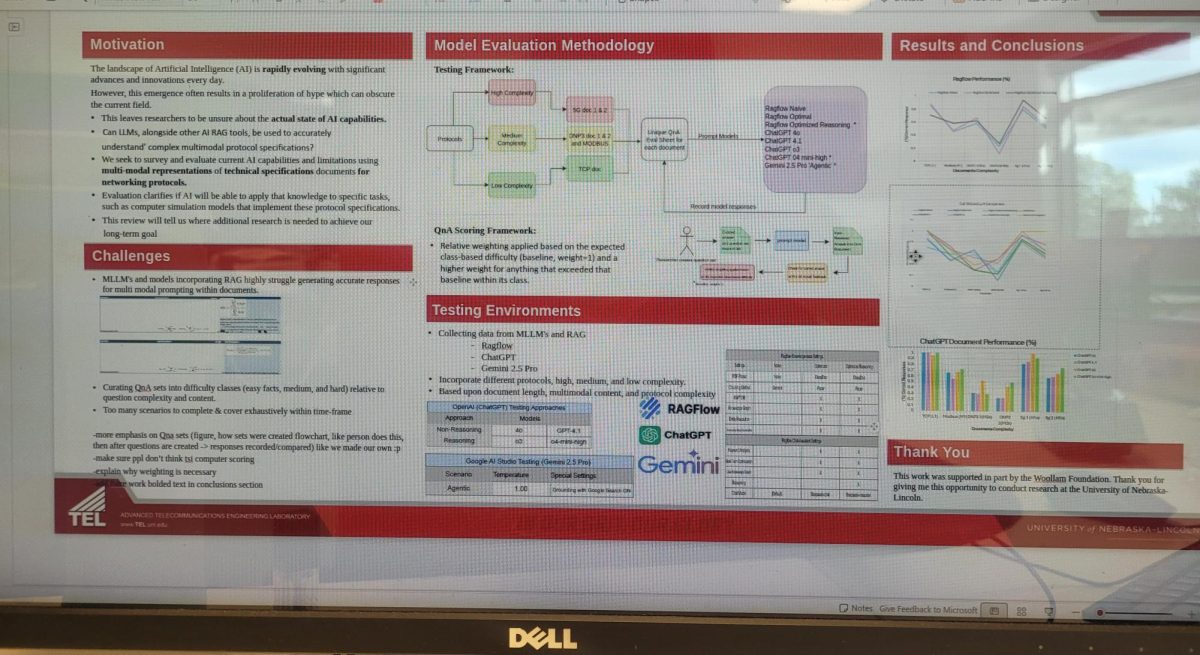
The revolution to take action came to me during my sophomore year, lacking any idea of what my passion was. Sure, I had hobbies, but in my career, I couldn’t decide. Knowing I wanted to go into tech, I half-heartedly emailed engineering professors at UNL asking if they had space over the summer for me to help out or volunteer, an out-of-the-blue request. Multiple emails were sent back and forth, and before I knew it, I had secured a paid internship that summer to research AI’s model capabilities under the mentorship of multiple professors.
I had no experience and didn’t know what to expect; I felt extremely underqualified. The summer flew by fast. The challenges that I thought I wouldn’t be able to overcome were thwarted with determined days in the labs at UNL. Before I knew it, I had analyzed heaps of data, performed tests, and written a poster with tangible results for the university. I loved the experience. Research is a passion of mine, and without action, I would never have known.
It is often, especially as students, that we find ourselves pushing off our love for hobbies or interests with ideas of being too unskilled, immature, or even unqualified to make a change. None of these challenges should be enough to stop you from pursuing what you love; anyone with the drive and determination to make a difference is beyond qualified to seek out opportunities.
If you hope to make strides in medical technology for those affected by dementia, email medical professors to ask if they would be willing to conduct research in their labs. If you’re a big advocate for stopping the unethical use of AI, volunteer with Omaha-based conservation organizations’ events that promote responsible AI development. For those with an undying passion for creating art, consider an internship at a local arts center.
The change we see in ourselves and for our future, whether it’s in 1 year or 50 years, starts when we decide, and that can be today.