Whether we’d like to admit it or not, social media affects our everyday lives in several ways. 91% of Americans check their phones within the first 10 minutes of waking up. 36% of those individuals go straight to social media. Each year the average screentime percentage continues to grow as social media becomes more addictive, easily accessible, and time consuming. Youths are starting to gain social media access earlier and earlier as time goes on. Social media continues to consume hours in peoples days taking away time from productive activities. Most of all, social media continues to change mental health in teens for the worse.
On Monday, March 16th, 2026, Clarkson Institute organized the “Connected & Resilient” event featuring a student-written short film, panel discussion, and a keynote presentation. Clarkson Institute is a program designed to help improve mental health in teens and that starts with technology. The event stemmed from a script writing contest held by Clarkson Institute. Nebraska middle and high schoolers were invited to write a script about how social media affects teens mental health. The four semi-finalists (name 1, name 2, name 3, and Beau Thomas) got the chance to work with professional script writers to develop their scripts further.
Beau Thomas first learned about this contest in his creative writing class. The class was still in its early stages after only being opened the year before. “My
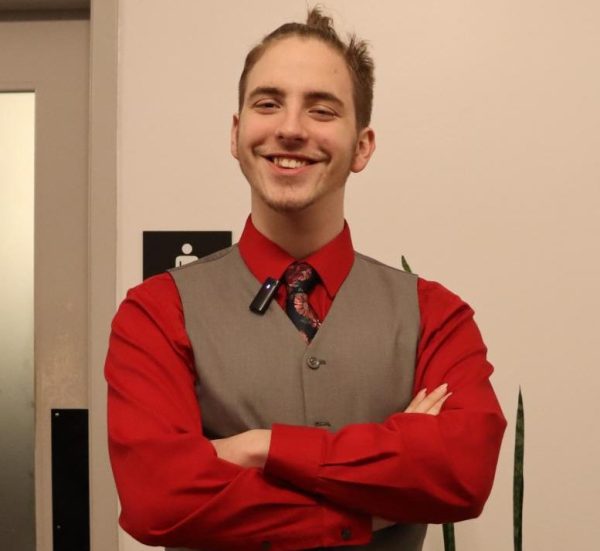
lovely teacher, Ms. Paschal, she introduced us to all these writing projects and competitions that were our projects in class for us to do.” Thomas tells us. She gave her students the option on whether or not to submit their projects into the contest. A couple days before the contest closed, Thomas made the decision to submit his piece. Thomas was selected as one of the four semi-finalists and worked to transform his work into a longer form script alongside professional writers. “I thought there was no way me, little Mr. Beau Thomas from Auburn, Nebraska, a town that is one single mile in length, could ever win a competition like this.” Thomas says. “And at the end of all that, they reached out to me and they were like, hey bro, Thomas, you won.” After learning about his accomplishment, Thomas and his mother were flown out to Los Angeles to see the filming and production of his short film we now know as “Disconnected”
Along with the film screening, attendees got the opportunity to hear insight from three panel speakers, Beau Thomas, Adam Vinter with Common Sense Media, and Kevin Kaminski, the mental health practitioner at Creighton Prep. The speakers shared their own personal feelings on social media’s relationship with teens. The question posed: How do we help teens keep the benefits while reducing the harm?
“There is a fine line between social media and the connection, and learning how to communicate, and I think that is the hindering factor with social media.” Kaminski says.
“We get involved in swiping.
We get involved with only viewing, texting, using our text patterns in the fact that we aren’t truly learning how to communicate face to face.” Kaminski believes that in times of crisis, it’s valuable to keep in contact, but under certain circumstances.
For example during the pandemic, online communication was increased, but through phone and video. Social media has its place, but schools need to step up and continue to regulate their students’ usage. “So, there are a ton of benefits to social media, right?
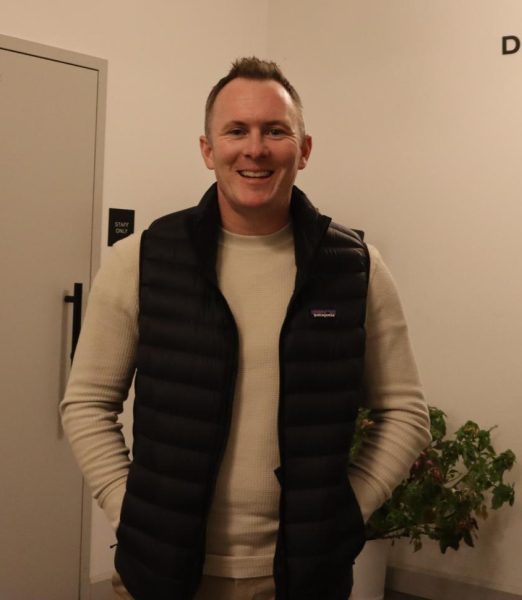
If you cannot find like-minded peers at your school, that align with your beliefs and values, you’re likely able to find that somewhere on social media. But we know there’s lots of downsides to that as well, too.” Adam Vinter shares. Vinter explains that young adults need more opportunities to be taught and informed of the dangers of social media. Young people don’t need to be told how to use social media but know how to make their own conscious decisions on how to be aware and safe. Vinter and Kaminski both work with their own organizations and students to help keep youths in the loop on how to use social mediaresponsibly and effectively.
At the end of the event, there was a presentation with keynote speaker, Dawson Kelly with Project Reboot. Kelly shared diagrams and statistics on how screentime and social media usage consumes people’s everyday lives. Project Reboot is about informing young adults on how to have intentional relationships with technology. They strive to get youths to really think abo
ut why they are using their electronic devices and be aware of how much time they spend in front of a screen.
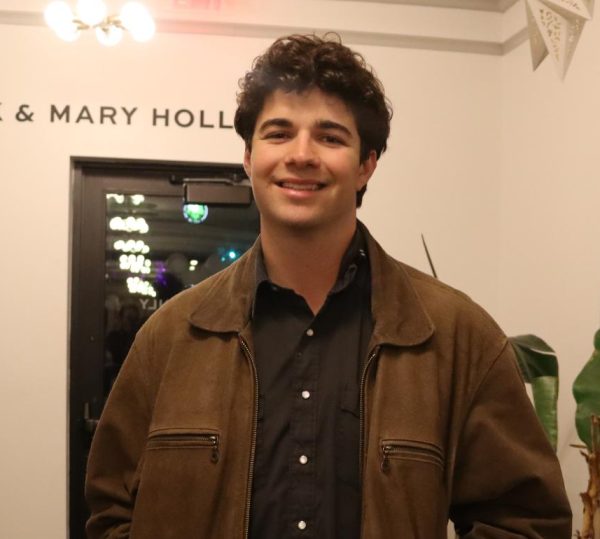
“I think the 1st thing is to understand why you’re using tech poorly in the 1st place. So recognizing patterns and when and where you might be misusing your device.” Kelly explains. “I would say there are simple things with changing your environment. So like plugging your phone away from your bed, downloading apps like Clear Space, getting rid of notifications, doing a lot of things of that nature where you’re physically changing your environment, and then also digitally changing it to be more intentional.” Implementing these changes can lead to healthier technological relationships for everyone, not just young people. Figuring out the intentionality can lead to significant changes in mental wellness.
Organizations like the Clarkson Institute, Project Reboot, Common Sense Media, and people like Dawson Kelly, Beau Thomas, Adam Vinter, and Kevin Kaminski are working to bring awareness about the relationship between technology and mental health. Listening to these points and becoming aware in our own daily lives can help accomplish the goal of the Clarkson Institute: we can make Nebraska the healthiest state, and it starts with you.