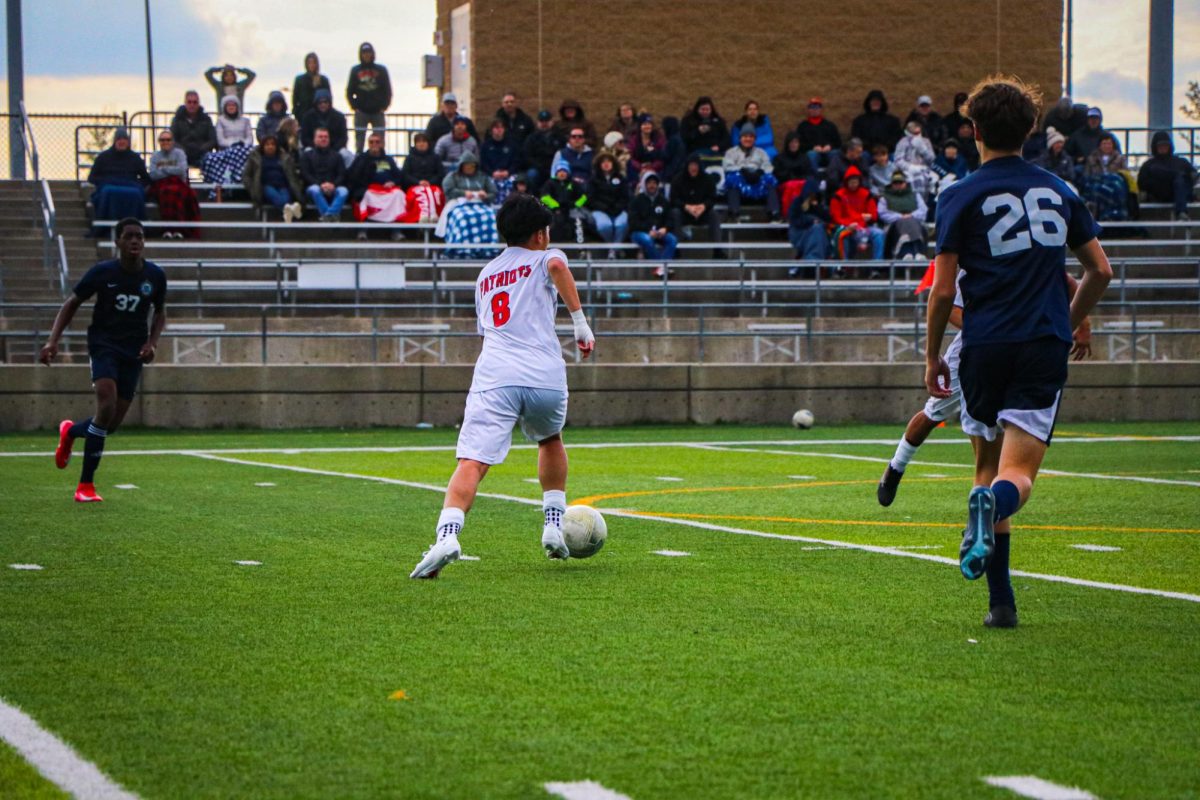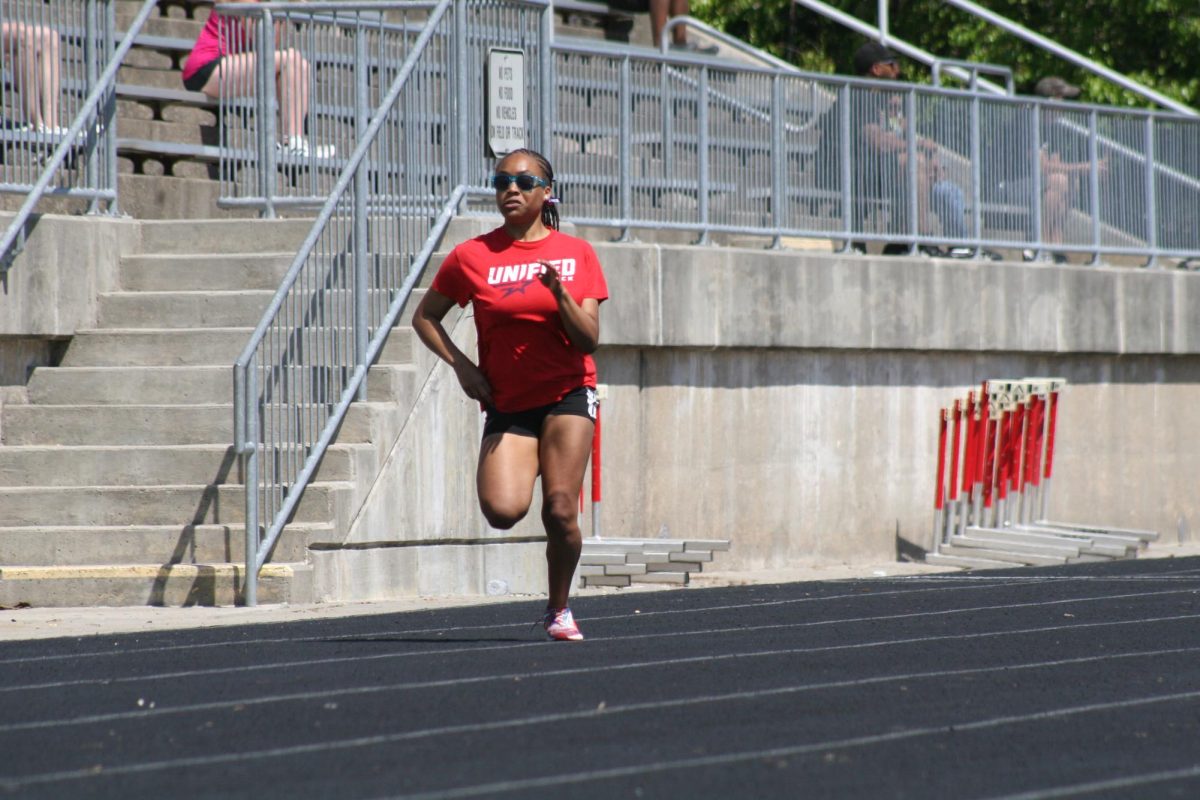
Extra years of varsity eligibility could become a reality under LB742, introduced by Terrell McKinney.
If enacted, this bill would allow for 7th and 8th grades to be eligible for a longer period by allowing them to play varsity while in middle school. Not only would they have a longer eligibility, but the bill would also allow for active participation in commemorative events such as State and Metro Conferences during the high school season, and would be crucial for scoring points.
The bill was initially proposed for schools that were struggling with having enough athletes in their program. These schools, then, often have to resort to co-opting with other neighboring schools to meet the minimum NSAA requirement. However, LB742 means different things for each sport.
In the wrestling world, each wrestler has a distinct weight class. These weight classes range from 100lbs to 285lbs, although it depends on gender. It is much more difficult to find a wrestler in the 100-120 and 200+ area than in the 120-180 range.
Wrestling coach Nate Olson said he approaches this bill from a different standpoint.
“It would be good for the smaller schools, but I don’t know if that would work well for the bigger schools for Class A and B. It would benefit the smaller schools as it could fill their weight classes they don’t have,” Olson said.
Although for some this is the first they have ever heard of the bill, there have been different alternatives adopted into some communities. Olson comments, “They already set this process in motion. They’re now allowing 7th and 8th graders that are student managers to practice with the high school teams.” For coaches, they see this as the beginning step to the longer process that would soon fully allow 7th and 8th graders.
In a swimming perspective, it means more than just practicing. Head swim and diving Coach Tyler Hammond said that it could create opportunities, but also have some downsides.
“You could take opportunities away from kids if you create specialization. Take a kid who could have done debate, show choir, or speech, but now they’ve been doing a sport since 7th grade. They won’t have the opportunity.”
He questions that they’ll only specialize in the sport as they’ve done that for years and won’t go out to explore more once they reach the high school setting. But also it would lead to adapting rules to fit this new bill. There would have to be more coaches and it would have to be built like an organization to fit the wider range of kids.
Though for sports like swimming, it gives the opportunity to have swimmers in the harder events such as the 100 butterfly and 500 freestyle. It strengthens the team’s diversity and boosts overall scores.
Sophomore swimmer Macy Hicks has been swimming since elementary school. She swims through Millard Aquatic Club, an out of school program that coaches K-12, during the off season. She comments,
“The adjustment from club to high school swimming is drastic, and is hard to work into,” Hicks said. “Allowing 7th and 8th graders to compete in high school gives them an unfair advantage to adjust better. Everyone has their time to wait.”