School-wide recycling is more complicated than it appears on the surface. It is not as easy as simply collecting bins and dumping them into a large container. Bottles that still have liquid in them, as well as certain plastics, cannot be put into a recycling bin, but they often get placed into bins anyway. This creates a challenge for those collecting the bins and makes recycling the other items in bins containing non-recyclables plain impossible.
Millard South has had recycling programs in the past, but recently, recycling has stopped. Cardboard from the cafeteria continues to be recycled, but the contents of the blue bins found in classrooms are not being recycled.
A new proposed recycling program for the 2026-2027 school year would have teachers opt in to have their recycling bins emptied and have ACP (Alternate Curriculum Program) students collect the bins. Continued innovation and student involvement, however, are needed in order for Millard South to have a successful and sustainable recycling program.
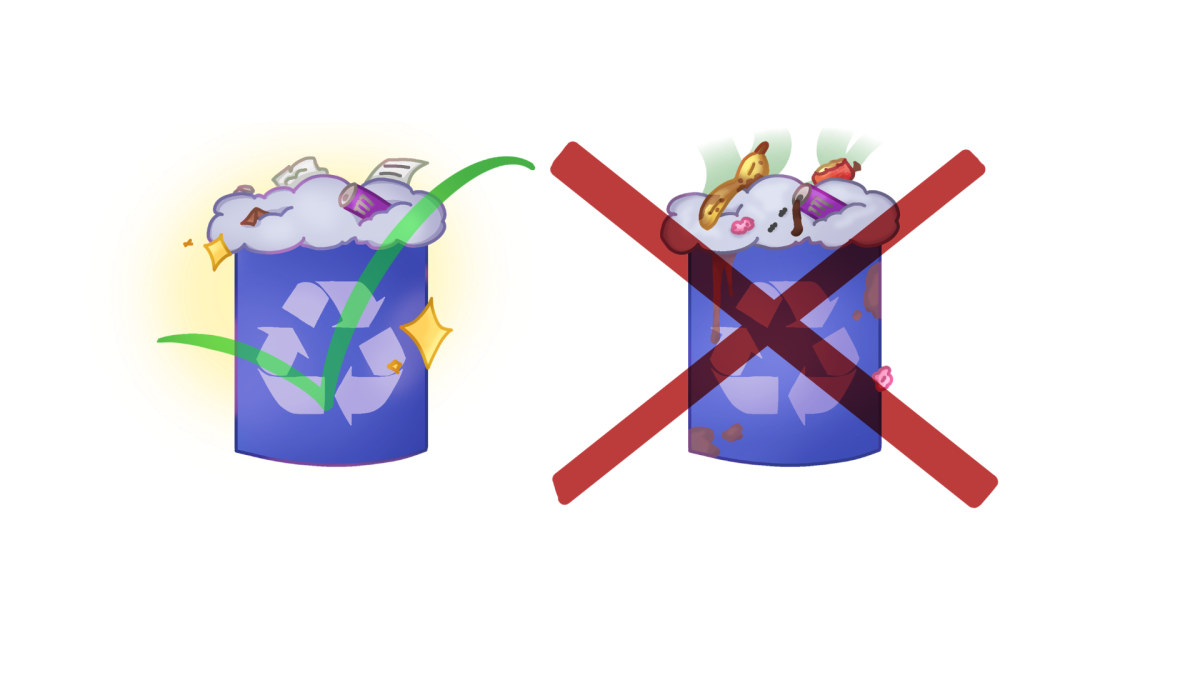
As previously stated, the type of waste that goes into a recycling bin dictates whether or not that bin is able to be recycled. One of the biggest issues that needs to be carefully monitored is bottles with remaining liquid, which includes an open Starbucks refresher or your morning Celsius. As students, we have a responsibility to be mindful of other students and our environment. Do not recycle bottles with liquid in them; we need a higher level of accountability, or the community program that hopes to promote sustainability by recycling our trash will only backfire and disappear as quickly as it came.
Education about recycling is key to its success. Labels should be placed on bins that display what can and cannot go into them. At the beginning of the year, perhaps, informative slides could be displayed by teachers detailing what can go into bins as well. In classrooms without sinks, where students don’t have the ability to dump excess liquid out of plastic bottles, teachers could solely use their recycling bins for paper to minimize the risk of other items getting into them. Making sure that our recycling bins have the right items in them will allow us to continue to recycle and minimize the challenges that students who have to empty the bins might face.
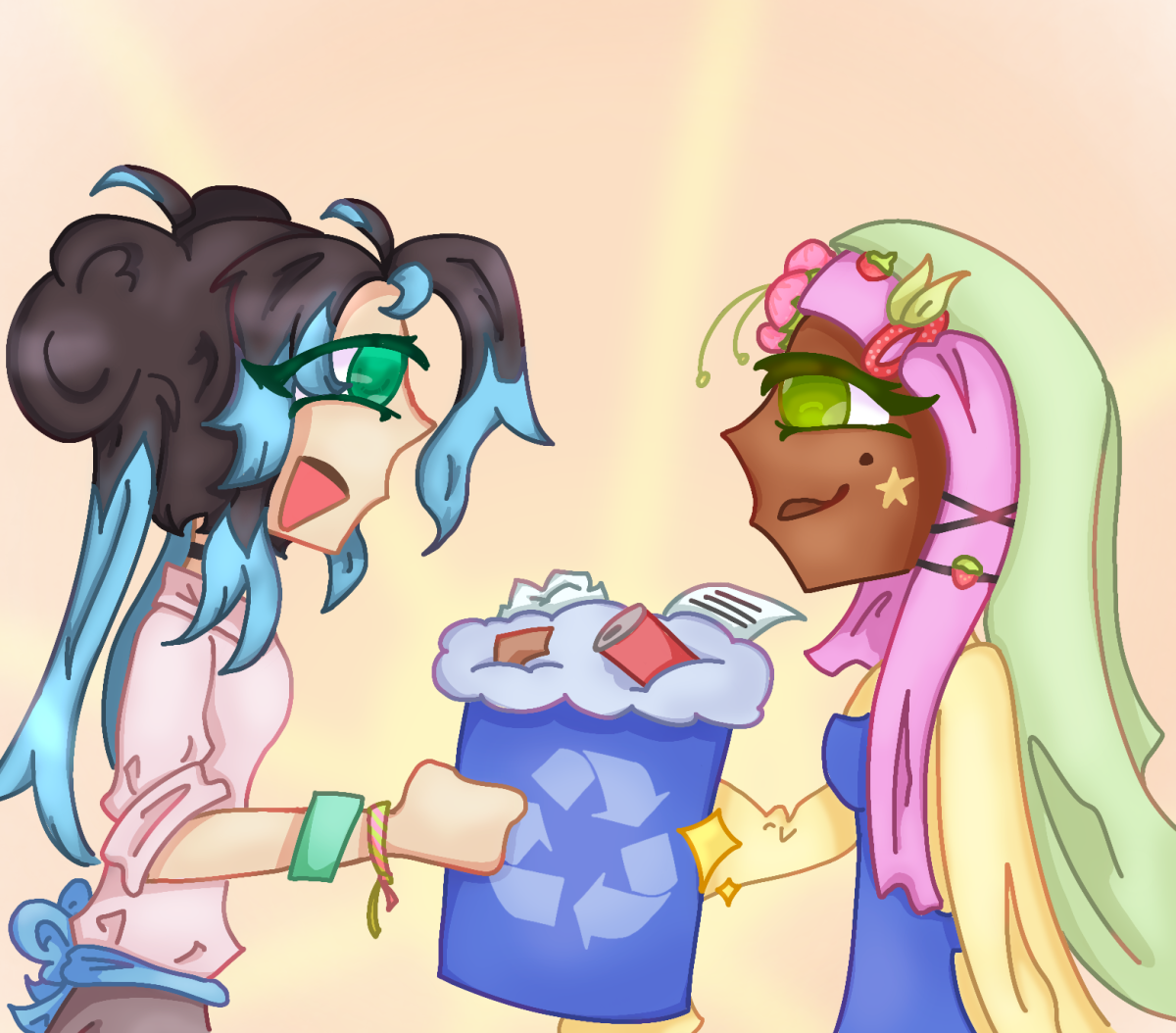
In addition, the recycling program should be expanded to include more students. Recycling as a building must be a collective effort, not solely from a few hands. A student should be chosen to bring a classroom bin out to the hallway on the day that an ACP student comes to collect it. This would create a collaboration aspect to recycling collection. It would also promote real and personal interactions between students while making more people a part of the recycling process. In addition to fostering connections, having active participation from all students will put the responsibility of our community’s environmental footprint in the students’ hands.
With the amount of waste a large school creates, recycling can make a huge impact. We need to put care into how we implement our recycling program, include education about the program, and get many students involved. If we can achieve these goals, our recycling program will be able to run smoothly and, most importantly, we will be able to make the positive impact on the Earth that we’ve been working towards.